
Science
Research, healthcare companies, clinics, medical technology, science organisations, wellbeing
-
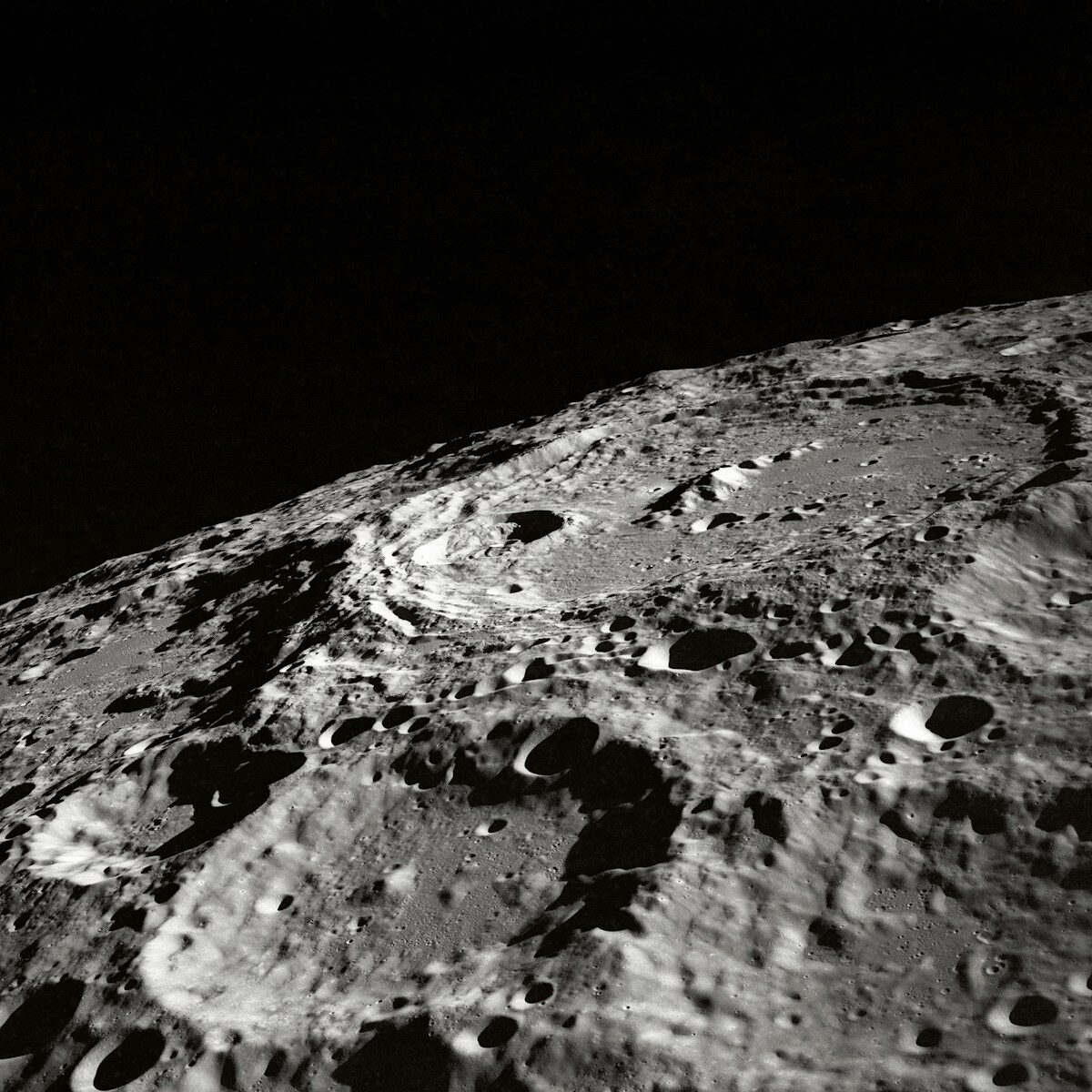
NASA Picks Three Experiments to Map Lunar Hazards, Shelters and Ice
NASA has selected three lunar investigations to measure hazards, probe a possible lava tube and examine ice in tiny cold traps—evidence that could shape future surface operations.
-

EU Puts €411m Into 73 New Research Infrastructure Projects
Seventy-three Horizon Europe projects are beginning work with €411m for research tools, data services, climate modelling and scientific facilities.
-
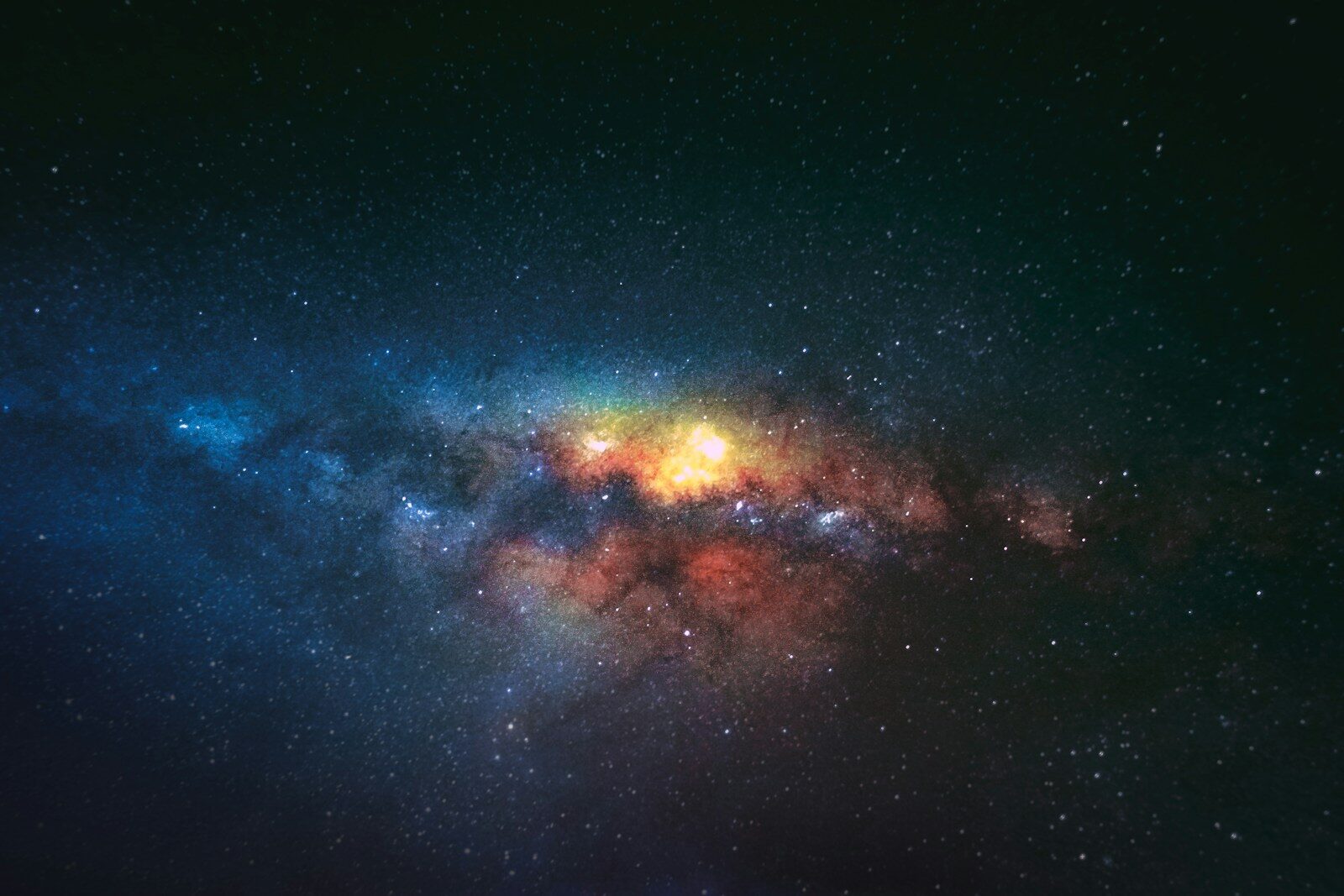
NASA Advances PRIMA Far-Infrared Telescope Toward 2033 Launch
NASA has moved the PRIMA far-infrared telescope into preliminary design, targeting a 2033 launch if the mission passes its confirmation review.
-
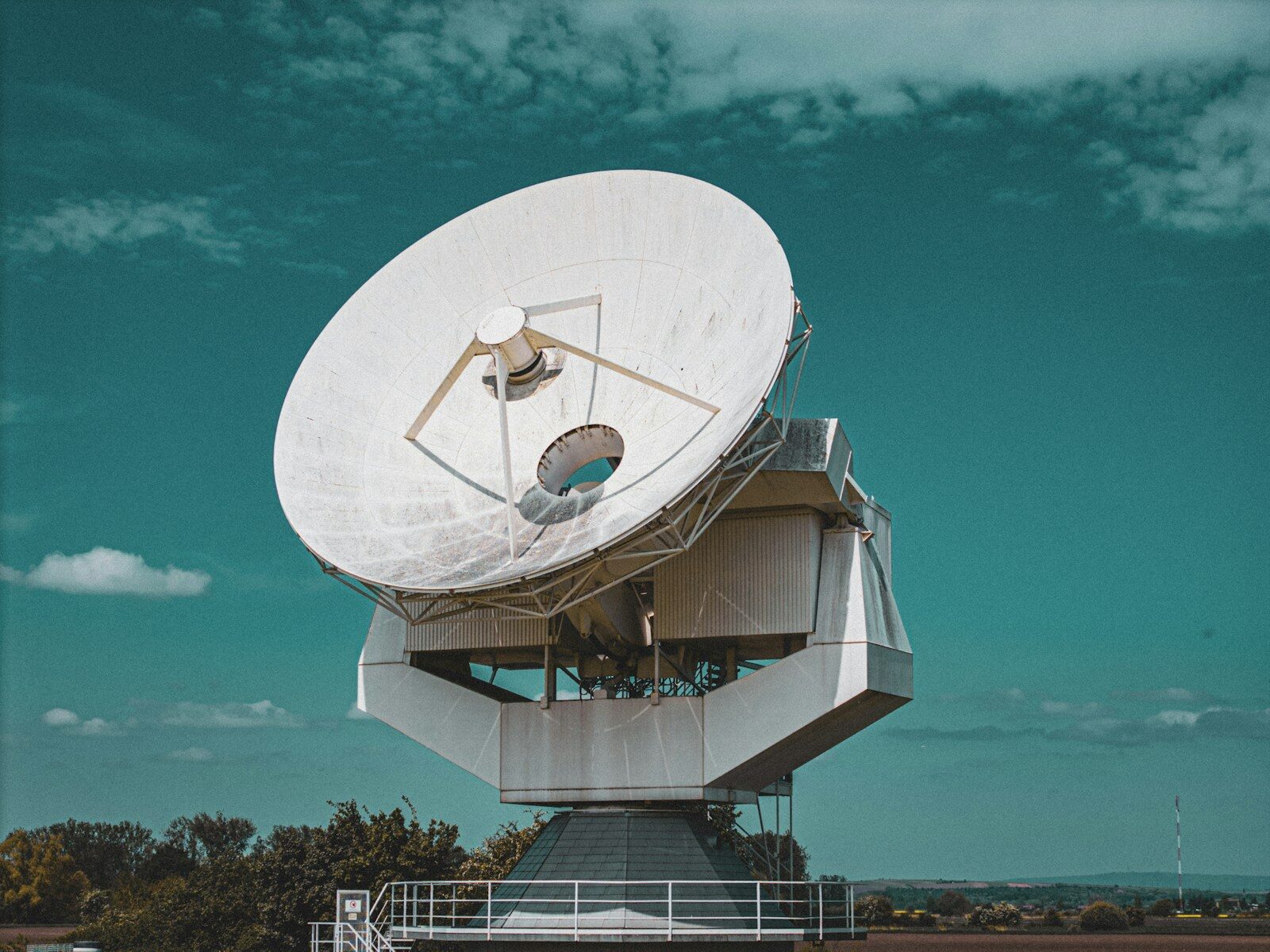
ESA Commissions Blueprint for Europe’s Secure Earth-Observation System
ESA has awarded parallel studies for Europe’s planned EOGS secure Earth-observation system, with architecture work due before operations begin in 2028.
-
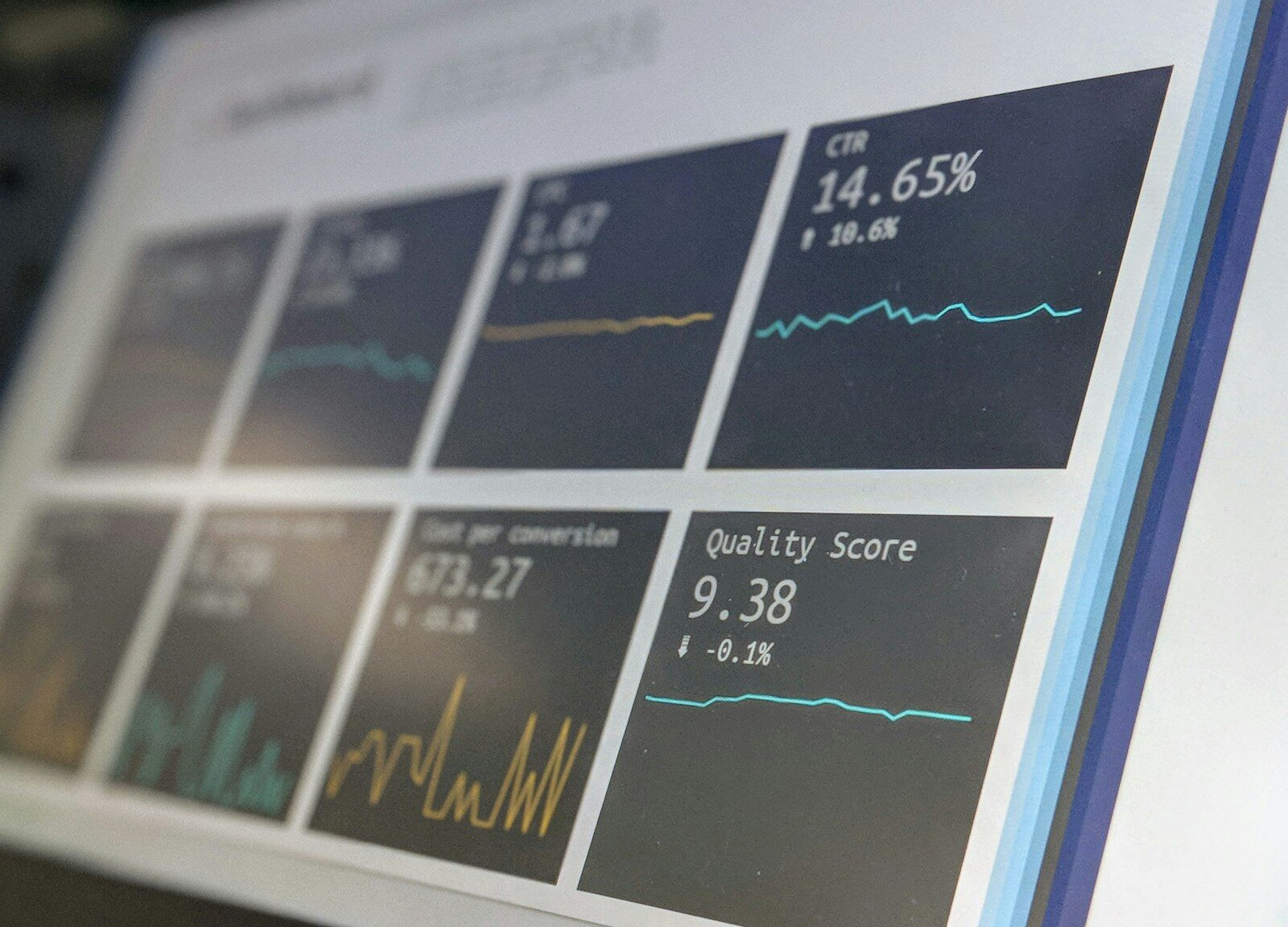
£18m UKRI Fund Opens for Independent Gambling-Harms Research
A new £18m UKRI competition will fund independent research into gambling harms, with awards up to £2m and safeguards around industry involvement.
-

Europe Launches FLEX to Measure Plant Health From Space
ESA’s FLEX and Sentinel-3C satellites are in orbit, beginning a mission to measure plant fluorescence and strengthen environmental monitoring.
-

ESA Tool Maps Meteorite Fall Zones Before Impact
ESA has integrated a tool that predicts where meteorite fragments may land using orbital data, fragmentation models and forecast winds.
-
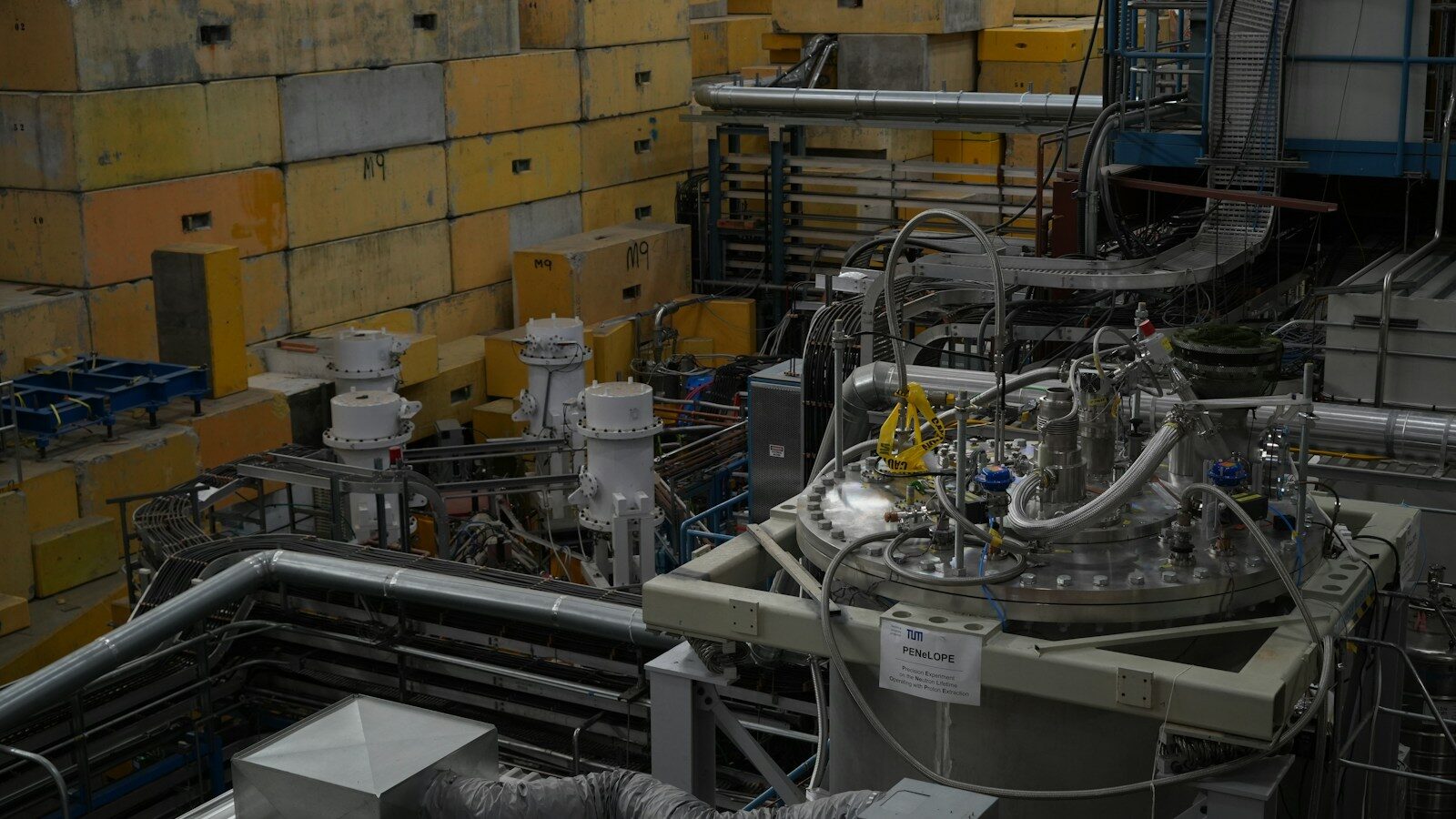
UK and US Fusion Labs Link AI Supercomputers
UKAEA and Princeton Plasma Physics Laboratory plan to connect fusion-focused AI systems, share experimental data and develop digital twins.
-

How Much Can Urban Trees Reduce Extreme Heat?
A three-year Guildford study found a woodland site markedly cooler during extreme heat. Its single-site comparisons also show why local context matters.
-
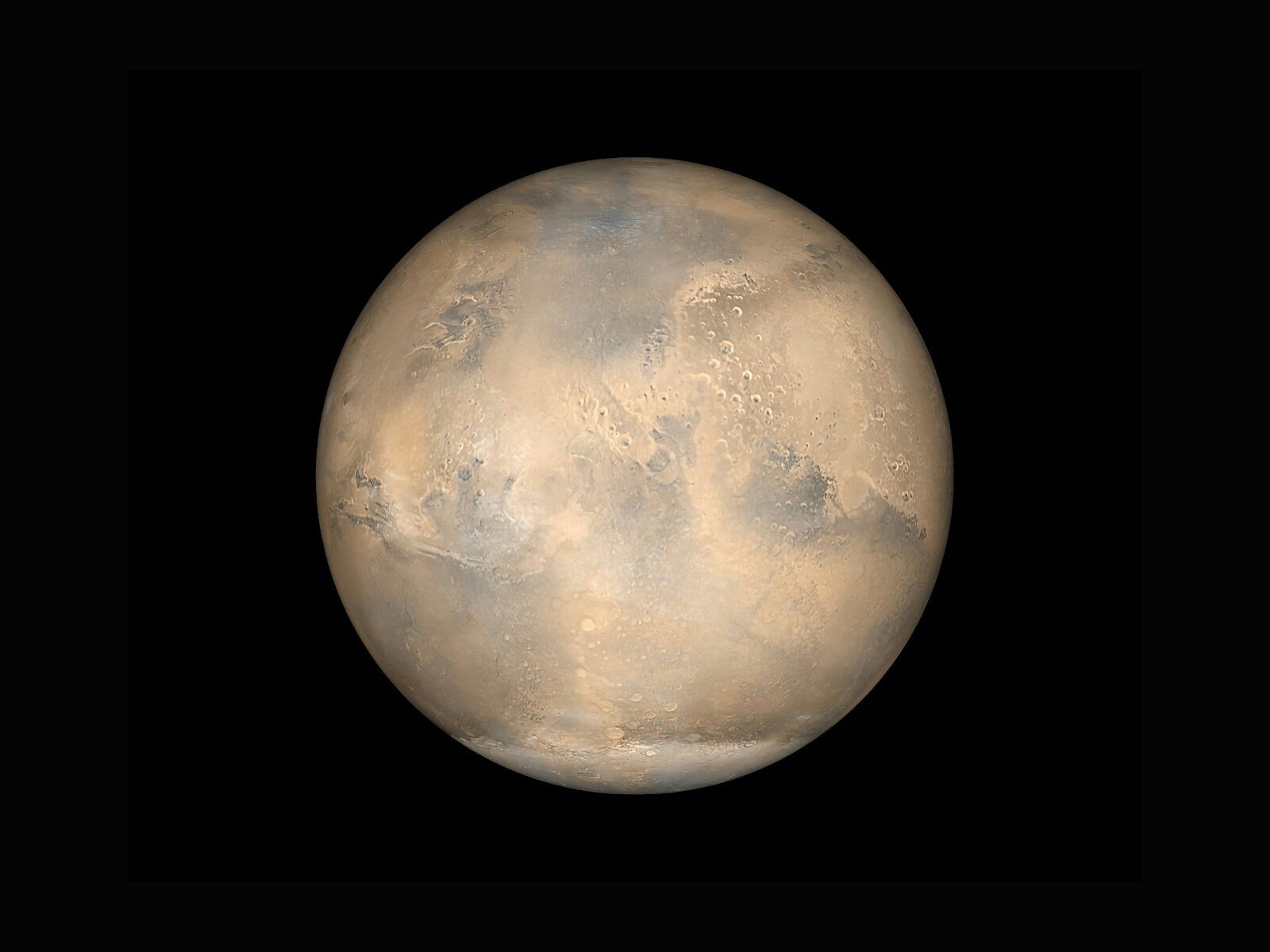
Why NASA Is Reviewing Mars Contamination Rules
NASA’s new M-FORCE team will reassess how Earth microbes could reach and survive on Mars. The review is not a finding of Martian life or a rule change.