
NASA is reassessing the science behind keeping Earth microbes from contaminating Mars. Its new external M-FORCE team will examine the assumptions used to estimate contamination risks for certain orbiters and landers. Announcing a review is not the same as changing a mission’s requirements.
What is M-FORCE being asked to do?
In its 28 August announcement, NASA says the team will draw on more than 60 years of atmospheric and surface observations. It will consider how contaminants might be released, transported, survive and grow, alongside the effectiveness of prelaunch biological-cleanliness practices.
The focus is Category III Mars orbiters and Category IVa landed missions. NASA expects the project to run from September to November 2026 and produce a public report with revised parameters and recommendations. Applications from relevant experts are due by 11 September.
What does “forward contamination” mean?
It means carrying terrestrial organisms to another world. NASA’s planetary-protection guidance explains why controls depend on the destination and mission. Earth material could interfere with later investigations of a place that might preserve evidence of life’s origins or past habitability.
Protection is therefore also about keeping scientific evidence interpretable. If an instrument finds biological material, researchers need confidence that the spacecraft did not introduce it. Clean assembly, microbial testing and mission design all contribute; the problem is not solved by a single final wipe-down.
Why are orbiters included?
An orbiter does not need to touch the surface during normal operation to create a potential risk. A later crash could carry material to Mars. NASA consequently considers orbital lifetime or biological burden when setting requirements.
Category IVa generally covers landers without instruments intended to investigate existing Martian life. Other categories cover life-detection investigations and biologically sensitive regions, with different precautions. M-FORCE’s stated scope should not be read as a review of every space mission.
What would a useful outcome look like?
The report should show which risk assumptions newer evidence supports, and where uncertainty remains.
Recommendations need not mean stricter or looser standards. Watch the report and NASA’s response; the announcement establishes neither a rule change nor evidence of Martian life.
Reporting basis: NASA’s call for experts and its published planetary-protection framework, checked on 31 August 2026.
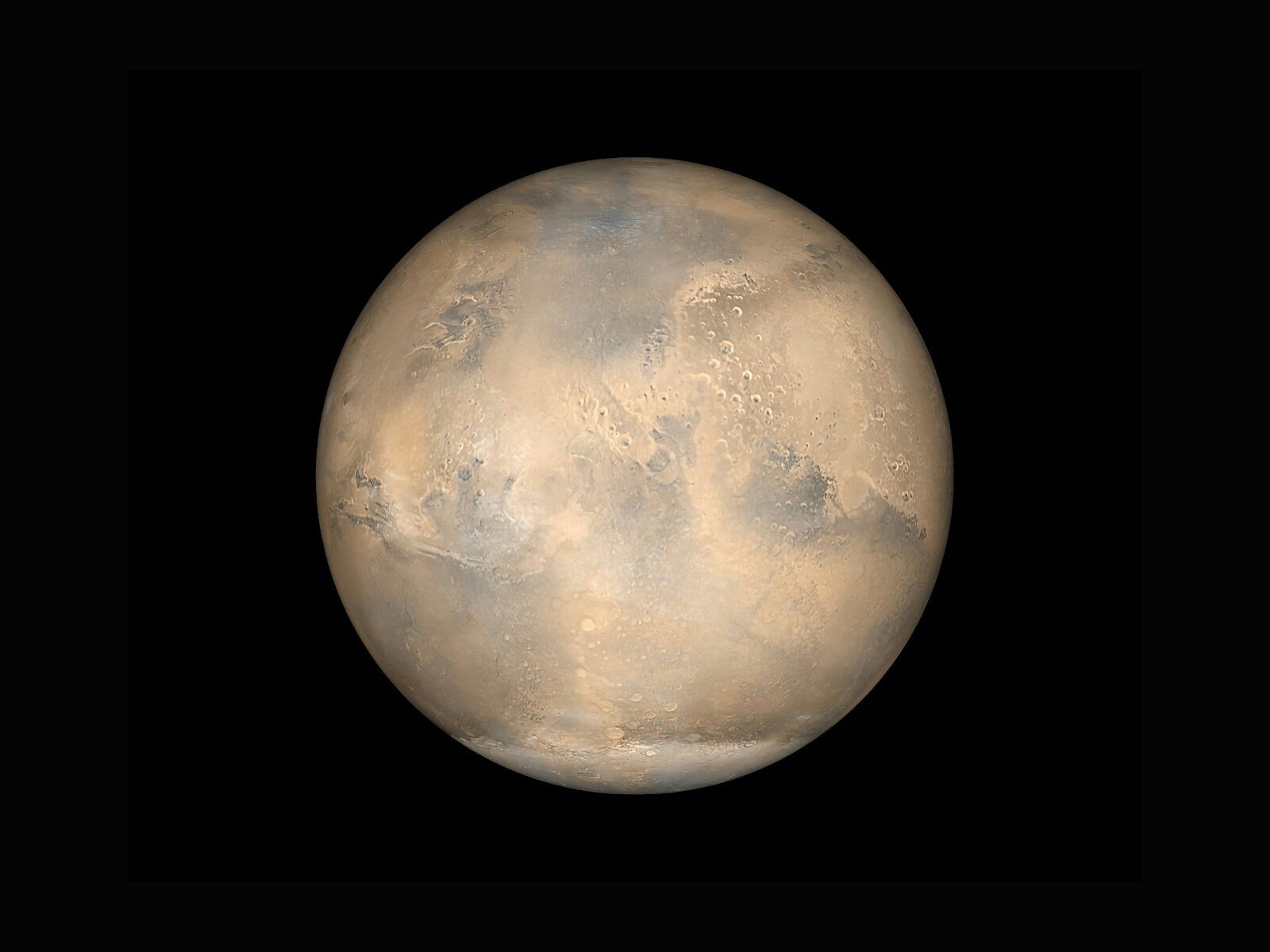
Mars pictured from space; this image does not depict contamination or evidence of life. Photo by NASA on Unsplash