
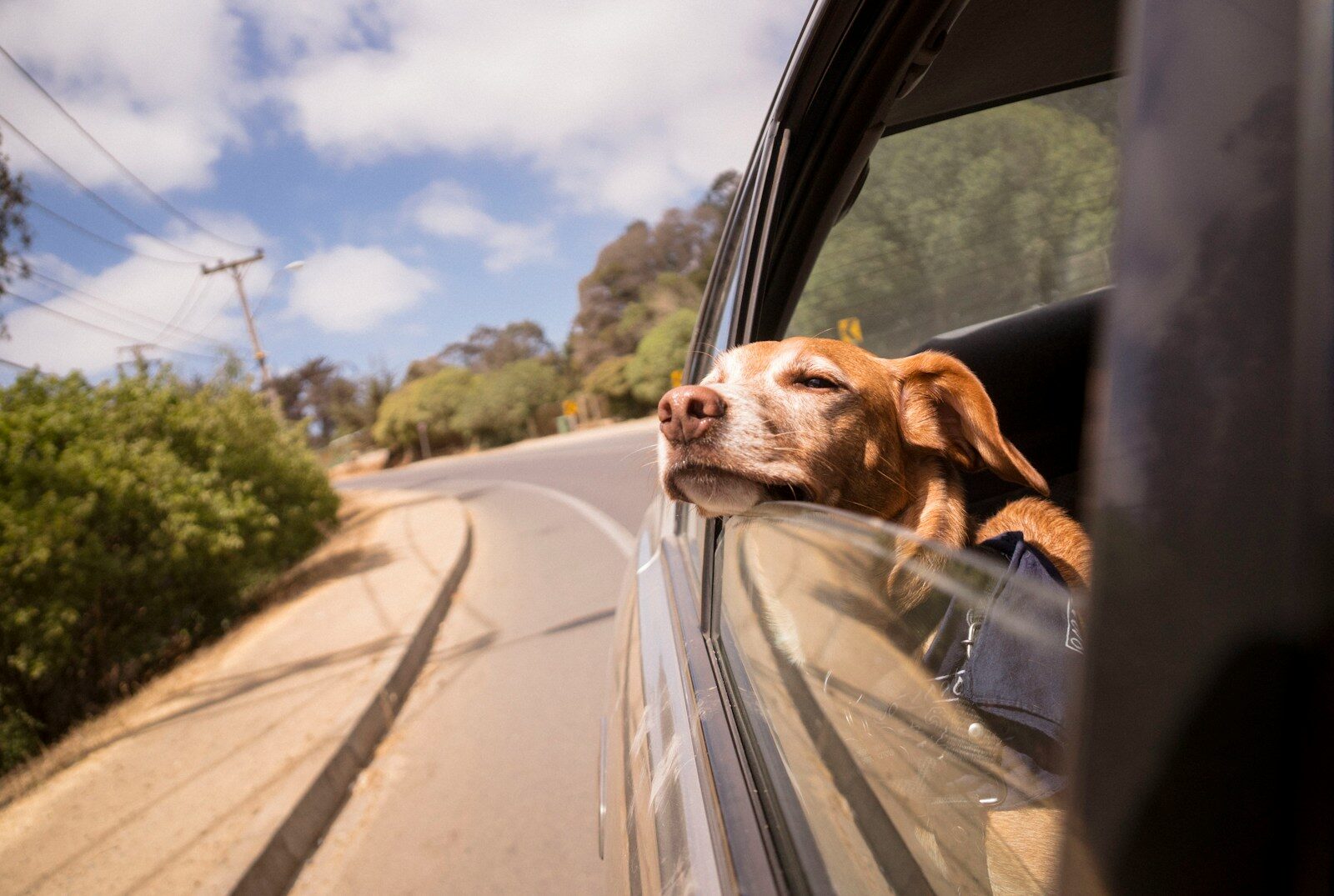
Yes, pet passports for British dogs, cats and ferrets travelling to the EU are set to return under the new UK-EU food and agriculture deal, but not straight away. The new arrangements are not due to take effect until 1 March 2028, because the UK first has to pass legislation to line up its rules with the EU’s.
The deal, known as the sanitary and phytosanitary (SPS) agreement, was agreed at the UK-EU summit on 20 November 2026, with the UK and EU aligning on SPS rules from 1 March 2028. It is mainly about food and farming, but it affects a few everyday things too, including pet travel, “Not for EU” labels and, the government hopes, food prices.
Why did pet passports stop working?
Before Brexit, a single EU pet passport issued by a vet was valid for repeated trips into the EU, as long as the animal’s rabies jab stayed in date. After Brexit, owners in Great Britain have needed an animal health certificate from a vet for each trip, which costs more and takes more time. Since April 2026, people living in England, Scotland and Wales have no longer been able to hold or use EU pet passports to travel into the EU. That caught out families who had kept using passports issued in an EU country.
The new agreement is set to bring back a passport-style system, although the exact paperwork owners will need has not yet been published.
From 1 March 2028, owners of dogs, cats and ferrets, including assistance dogs, should be able to use a multi-use pet passport for EU travel instead of getting a new Animal Health Certificate for every trip. You can’t get one of these passports yet: until 1 March 2028 an Animal Health Certificate is still needed to travel from Great Britain to the EU, and Defra says it will publish further details next year. The current limit of five pets per person brought into Great Britain for non-commercial travel is also set to change.
Will “Not for EU” labels disappear?
Mostly, yes. Food sent from Great Britain to Northern Ireland currently has to carry “Not for EU” labels under post-Brexit arrangements. The government says that once the deal is fully in place, “the vast majority” of those labels will go. The deal would also end the veterinary certificates and most physical checks on farm produce moving from Great Britain to Northern Ireland, along with the “green” and “red” lanes for lorries at Northern Irish ports.
Will food get cheaper?
Possibly a little, though nobody can promise a figure. The government says a food and drink deal could add up to £5.1 billion a year to the economy and ease “pressure on prices” by cutting paperwork. For exporters, the savings are clear. They would no longer need £200 export health certificates for each consignment of animal products, or £25 plant health certificates, and some inspection and port fees could go. Whether that shows up in supermarket prices depends on whether businesses pass the savings on, and on bigger forces like energy costs.
What else changes?
- Exports restart: British fresh sausages, burgers, shellfish from domestic waters and seed potatoes, many of which have been effectively blocked since Brexit, should be able to go to the EU again.
- Plants and garden goods: without plant health certificates, it should be easier to send trees, shrubs and some wooden or leather goods.
- Your supermarket shelves: the government has said claims that crisps with smoky flavourings or British marmalade will vanish are wrong, because most producers already follow EU rules so they can sell into Europe.
What is the catch?
The trade-off is “dynamic alignment”. In the areas the deal covers, the UK would keep its food, animal and plant health rules in line with the EU’s as they change over time. Supporters say that is the price of fewer checks. Critics say it means Britain following rules it no longer helps to write, and Conservative and Reform UK politicians have said they would not be bound by it or would scrap it. Industry groups have also warned that the details matter, including how the rules will affect businesses that sell only within Great Britain.
The government insists the deal does not involve paying into the EU budget, beyond shared running costs for things like IT systems.
What do we still not know?
- The finer details. The UK and EU are due to align on SPS rules from 1 March 2028, but much of the detailed guidance is still to come.
- The new pet travel rules, including what the documents will look like and what they will cost.
- How much shoppers will notice at the till.
For now, if you are taking a pet abroad this winter or next summer, nothing has changed yet. You still need an animal health certificate from your vet for each trip.
Sources
- GOV.UK: UK-EU Summit package factsheet and mythbuster
- The Guardian: The UK-EU food produce deal, what was agreed and will it affect shoppers?
- BBC News: UK and EU agree draft deal to scrap Brexit red tape over food exports
- Food Manufacture: The new SPS deal has been agreed in principle, here’s everything we know so far
- BBC News: Newspaper headlines, 17 November 2026
- GOV.UK: Pet animals – preparing for changes
- GOV.UK: UK-EU summit 2026 explainer – SPS
- GOV.UK: UK-EU summit 2026 joint statement