
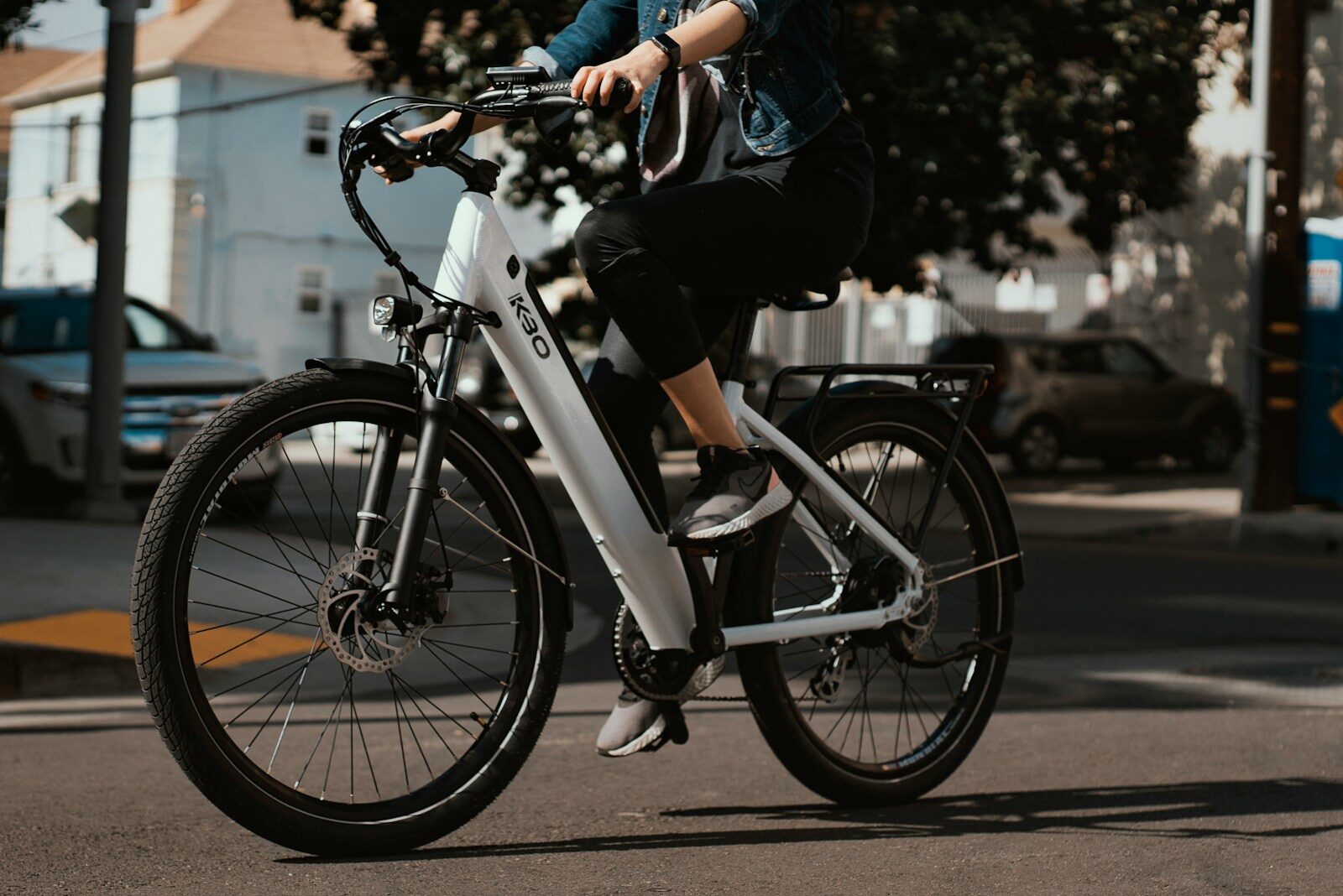
The UK Office for Product Safety and Standards has published guidance explaining how existing safety law applies to electric-bike conversion kits. The document covers every kit containing an electric motor, including products sold without a battery or charger.
The guidance responds to concern about fires and unsafe converted e-bikes, but it does not create a new set of legal duties. Instead, it explains how manufacturers and suppliers can meet requirements already contained in the Supply of Machinery (Safety) Regulations 2008.
What must e-bike conversion-kit suppliers consider?
Businesses need to assess whether a kit can be installed and used safely, provide necessary information and instructions, and apply the required product marking. Treating the motor, controller, battery, charger and bicycle as an interacting system is important because components that are individually functional may not be safe together.
The guidance complements statutory guidelines for lithium-ion e-bike batteries published in 2024. Those battery guidelines describe safety mechanisms expected in products placed on the market.
Are high-speed conversion kits legal on UK roads?
A converted bicycle that assists the rider above 15.5mph does not qualify as an ordinary electrically assisted pedal cycle. The new guidance stresses that such a vehicle is illegal to use on public roads unless it meets motor-vehicle requirements, including registration and insurance, and the rider has the appropriate licence and helmet.
A product can therefore be safely manufactured yet still be illegal to use on the road in a particular configuration. Buyers need to distinguish product-safety compliance from road-traffic status.
What does the guidance change for consumers?
Consumers gain a clearer basis for checking instructions, markings and compatibility before buying. They should use the charger specified for the battery, avoid damaged components and obtain competent help when a conversion affects brakes, wiring or the bicycle frame.
Enforcement authorities can also use the guidance when assessing kits that may not meet existing regulations. The practical effect will depend on supplier compliance, market surveillance and whether consumers understand that modifying speed limits can change the legal classification of the vehicle.
Source: Office for Product Safety and Standards announcement, 11 November 2026.
Image: KBO Bike via Unsplash.