
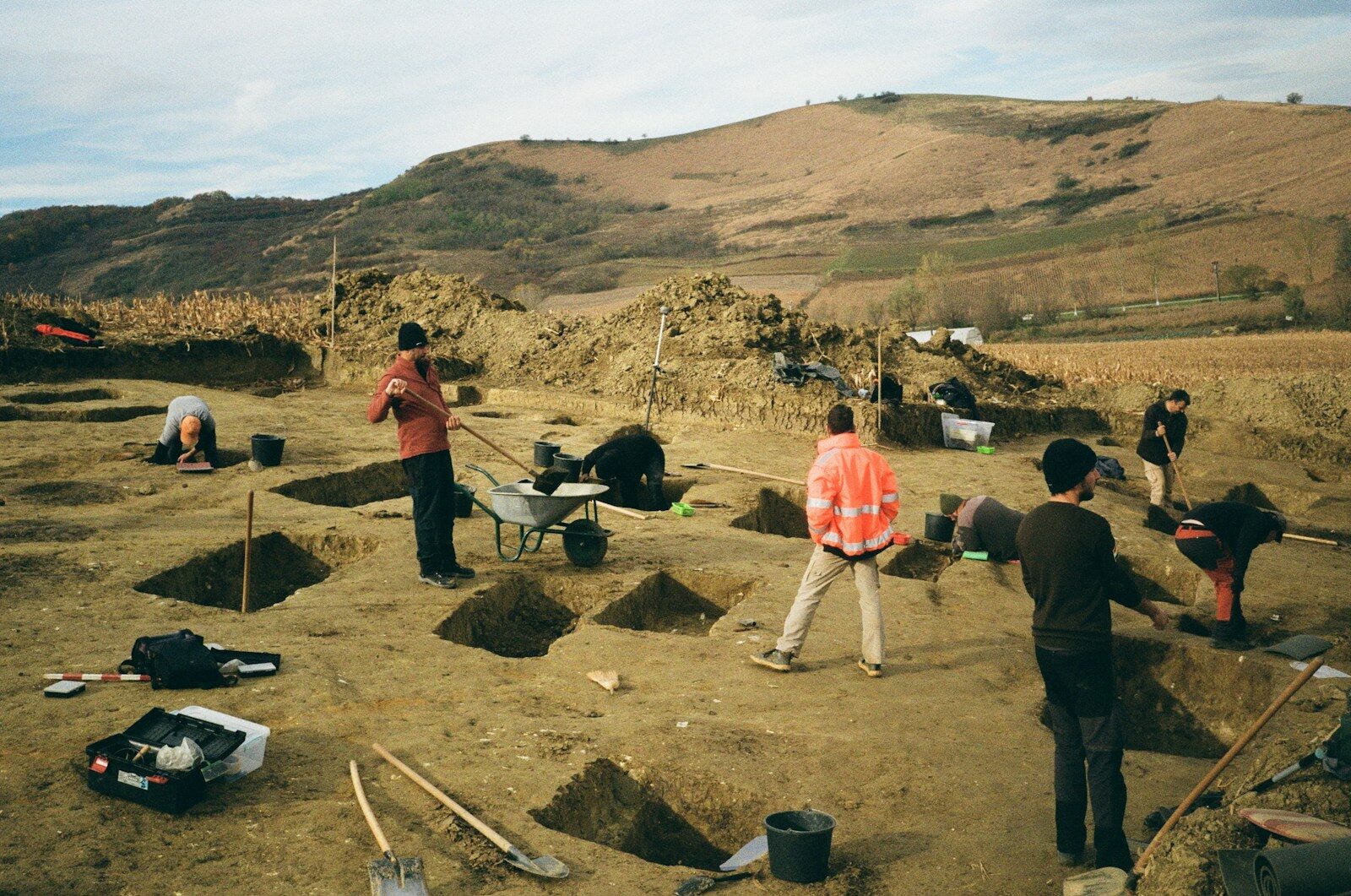
A £700,000 excavation is set to investigate part of Flag Fen’s 3,500-year-old timber monument near Peterborough, where falling groundwater and drying peat are threatening fragile organic remains. The project will focus on recording evidence that may otherwise deteriorate before researchers can study it.
What has been funded at Flag Fen?
The Countryside Stewardship Heritage Service, a partnership between Defra and Historic England, has awarded £700,000 for a new excavation at Flag Fen Archaeology Park. The work will investigate the site’s western post alignment and use the resulting evidence to improve research, conservation planning and visitor interpretation.
The funding announcement was published on 13 September 2026. It also describes training and volunteering opportunities for local residents, university students and young carers.
Why is Flag Fen archaeologically important?
Flag Fen preserves a monumental timber causeway and platform constructed in a wetland landscape around 3,500 years ago. Few Bronze Age platform structures survive, and Historic England considers the monument nationally significant because of its scale, complexity, completeness and associated evidence.
Waterlogged ground can preserve wood, plant material and other organic evidence that usually decays. Those remains can reveal construction methods, landscape change and how communities used the site over long periods.
Why are the timbers at risk now?
Groundwater levels have fallen and the surrounding peat is drying. Once previously saturated deposits are exposed to more oxygen, preserved organic material can deteriorate rapidly. Flag Fen has appeared on Historic England’s Heritage at Risk Register since 2012.
A detailed Historic England condition assessment based on 2021 fieldwork found evidence of continuing degradation and warned of significant archaeological loss as water levels decline.
Is excavation the same as preserving the site?
No. Excavation removes deposits and cannot be undone, so archaeologists document their position, context and condition before conserving selected material and analysing samples. At a threatened wetland site, carefully targeted excavation can preserve information even where keeping every remain in place is no longer viable.
The new work is therefore both research and rescue archaeology. Its findings should help the project decide how the surviving monument can be managed and explained in the longer term.
What happens next?
Work will concentrate on the western alignment while the wider partnership develops plans to revitalise the park. Removing Flag Fen from the Heritage at Risk Register is a long-term objective, not an expected immediate result of one excavation.
Reporting basis: Ferdiox reviewed the Defra and Historic England funding announcement and Historic England’s published condition report on 15 September 2026. Statements about the site’s condition reflect those primary sources.
Illustrative image. Photo by Regös Környei on Unsplash