
Could roads store summer heat and use it to resist winter damage? A University of Surrey trial is testing exactly that. Pipes installed beneath a car park will circulate water, move heat into a 100-metre borehole during warm weather and return some of that energy to the road in winter.
How does a geothermal road work?
The system uses heat-exchange pipes embedded beneath the asphalt and in lower pavement layers. Water circulating through the network collects heat when the surface is warm. That heat can be transferred underground for storage and later brought back when temperatures fall.
The concept is related to ground-source heating, but the road itself becomes part of the collection and distribution system. In winter, gentle warming could reduce surface ice and limit the repeated freezing and thawing that contributes to cracks and potholes.
Where is the Surrey trial taking place?
The installation is part of the Thermo-active Roads for Heat Harvesting and Pavement Temperature Regulation project at the University of Surrey’s Stag Hill campus. The latest phase is being installed beneath the Senate House car park, with work visible in late August 2026.
Researchers have placed sensors underground and plan to monitor the site over several years. That long observation period is important because road failures emerge through repeated weather cycles, traffic loads and water movement rather than a single cold day.
What questions will the trial answer?
- How much heat can a real road surface collect in summer?
- How efficiently can the system store and return that energy?
- Can warming reduce frost, ice and freeze-thaw damage?
- How do the buried pipes affect pavement strength and maintenance?
- Does a cooler summer surface noticeably affect the air above the road?
The researchers are using familiar components, including plastic pipes and pumps, rather than depending on an exotic material. That could make adoption easier if the measured benefits justify the disruption and cost of installation.
Would this eliminate potholes?
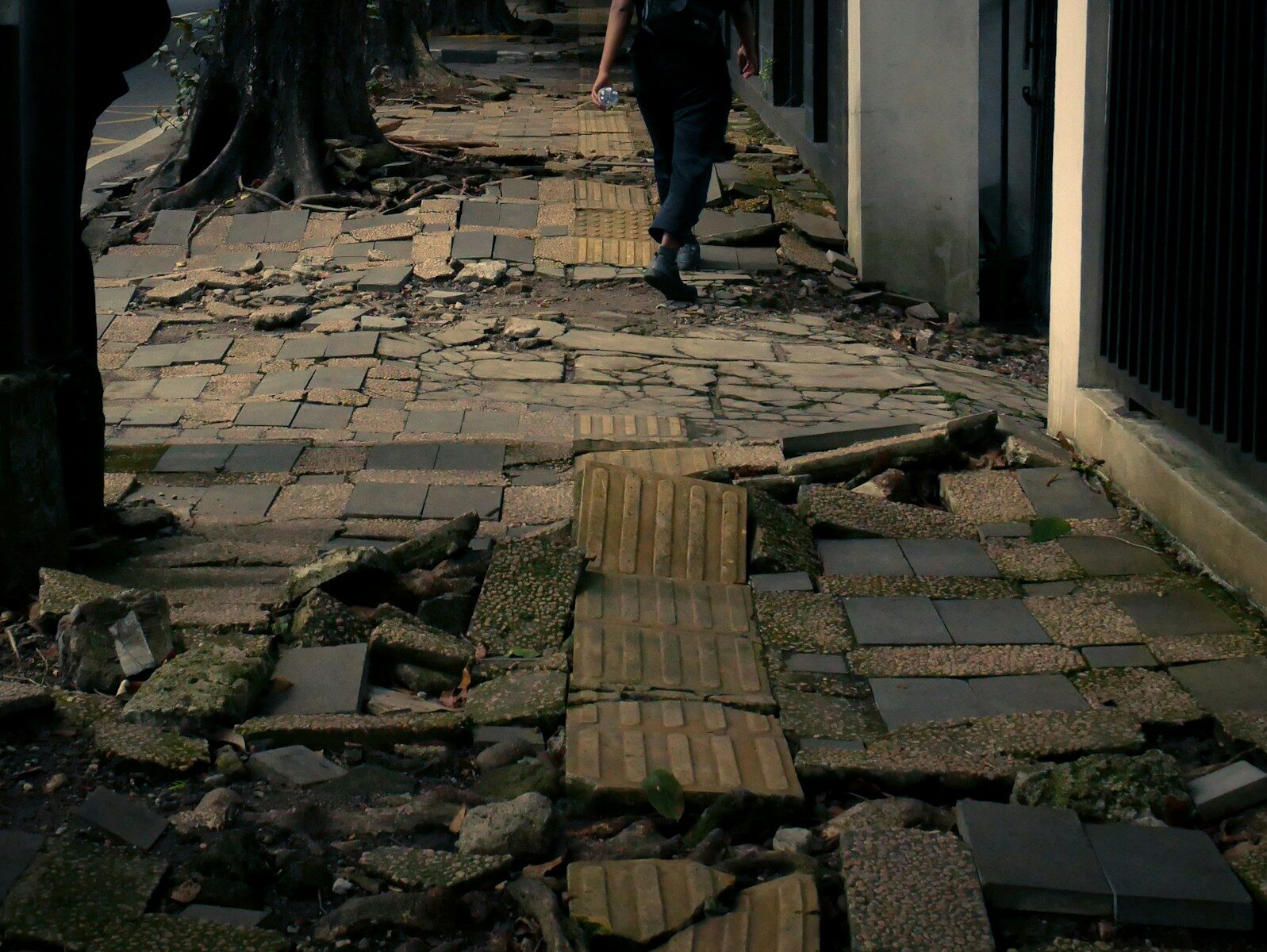
No. Potholes have several causes, including water ingress, weak repairs, heavy traffic, ageing materials and poor drainage. Freeze-thaw cycles are one contributor: water enters small cracks, freezes and expands, then leaves a weakened surface when it thaws.
Reducing those cycles could extend pavement life in some locations, but a geothermal system cannot compensate for every defect. The trial’s value lies in measuring the size of the benefit under UK conditions rather than assuming that a promising mechanism will solve the entire maintenance problem.
Could roads also provide useful heat?
A sunlit paved surface can become much hotter than the surrounding air. Capturing some of that low-temperature energy could support nearby buildings or be stored for later pavement heating. The economics will depend on the site, the distance to heat users and whether installation is combined with scheduled resurfacing.
New roads, car parks and major reconstruction projects are likely to be more practical candidates than retrofitting every existing street. Maintenance access also matters: operators need to know how buried pipework behaves when utilities are repaired or the surface is milled and replaced.
Why is real-world evidence needed?
Laboratory tests can measure heat transfer and material strength, while demonstrations elsewhere in Europe and the United States show that thermo-active pavements are technically possible. A monitored UK site adds evidence about local weather, construction methods and operating routines.
The project is supported by a Royal Academy of Engineering fellowship and Surrey County Council’s Lane Rental Scheme. Results collected across multiple seasons should help councils and engineers judge whether the technology belongs in selected projects, needs redesign or remains too costly.
What is the practical takeaway?
Surrey’s geothermal car park is not a claim that potholes are solved. It is a full-scale test of a specific idea: use an ordinary road as a seasonal heat collector, then return enough energy in winter to reduce damaging conditions. The sensors under the asphalt will show whether that idea survives contact with real traffic and real weather.
Source note: Read the University of Surrey’s 13 August 2026 project update.