
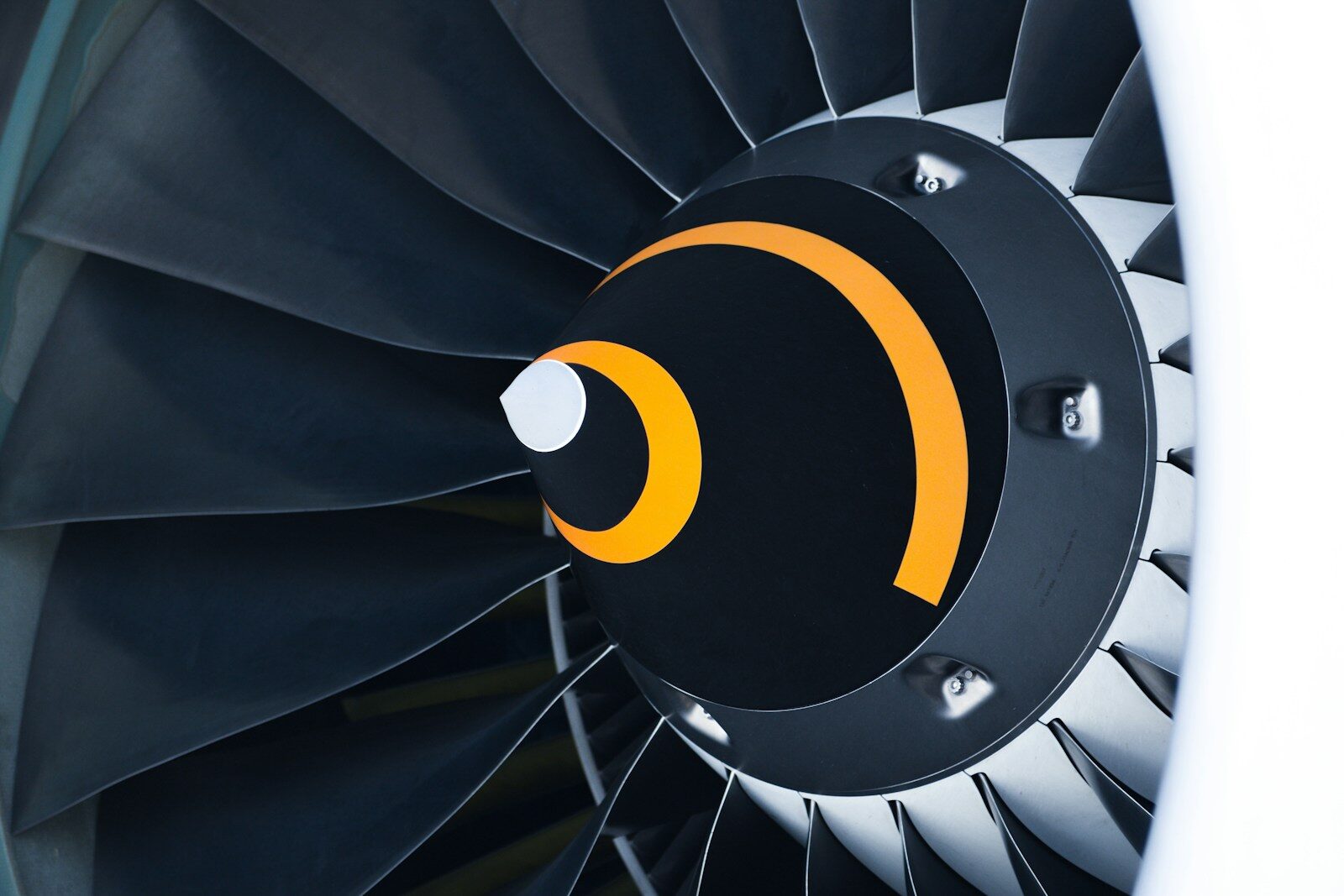
The UK government and Rolls-Royce have set out a ten-year, £2.5 billion programme to develop next-generation passenger and military aircraft engines in Britain. The announcement focuses on more efficient technology for future aircraft, including the large single-aisle market.
The headline figure describes a proposed joint programme over a decade. It should not be read as an immediate £2.5 billion government grant: the government says no new grants have yet been awarded, and future support remains subject to terms, affordability, value-for-money tests and subsidy-control rules.
What is the programme intended to develop?
Work will cover technologies designed to reduce fuel use and emissions while improving engine performance. Single-aisle aircraft are commercially important because they operate many short- and medium-distance routes, making efficiency improvements significant when applied across large fleets.
Military applications are also included, reflecting the overlap between aerospace materials, manufacturing, thermal management and propulsion research. The precise mix of projects and public funding will depend on later agreements.
How large could the employment effect be?
The government says the programme is expected to support 3,300 jobs by the end of 2029 and potentially tens of thousands over its lifetime. It also cites a possible £120 billion lifetime contribution to the economy. Those numbers are projections, not results, and depend on investment, successful technology development and future orders.
Research programmes can support jobs beyond an engine manufacturer through universities, testing facilities and specialist suppliers. The most durable benefit would come if prototypes lead to competitive products built and serviced in the UK.
What should observers watch next?
The important details will be the division between company and public investment, milestones attached to any grants, where research is carried out and how performance claims are independently assessed. Timelines in civil aviation are long because new engines must pass extensive safety and reliability testing.
The announcement gives the sector a direction and a proposed scale. Turning it into economic output will require transparent funding decisions and engines that airlines or defence customers ultimately choose to buy.
Source: UK government announcement, 28 October 2026.
Image: Luka Slapnicar via Unsplash.