
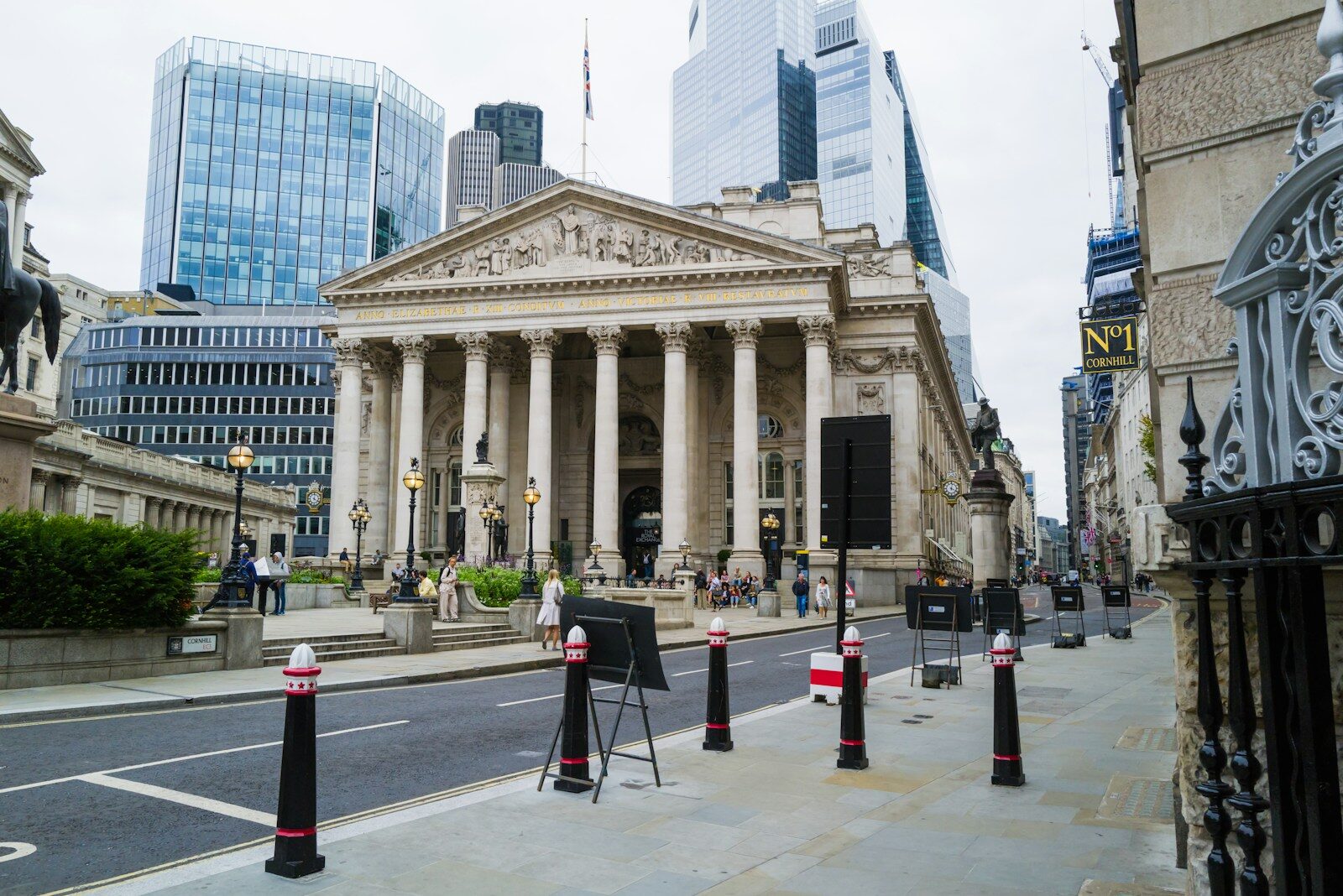
LONDON, 20 September 2026 — The Bank of England has kept Bank Rate at 3.75% while warning that the UK inflation outlook has become more exposed to energy-price shocks. The decision matters beyond Threadneedle Street: it shapes the reference point for many savings products, mortgages and business loans, even though lenders set their own retail rates.
What did the Bank of England decide?
The Monetary Policy Committee voted 6–3 to hold Bank Rate at 3.75% at its September meeting. The three dissenting members preferred a quarter-point increase to 4%. That split shows the decision was not a declaration that inflation pressure had disappeared; it was a judgment that holding was appropriate while the committee assessed how the latest energy shock was feeding through the economy.
The Bank also made a separate, unanimous decision on quantitative tightening. It plans to reduce the remaining stock of government bonds bought for monetary-policy purposes to zero by September 2034, with annual sales of £20 billion alongside bonds maturing naturally.
Why did the committee leave rates unchanged?
UK CPI inflation rose to 3.1% in August, above the 2% target. The Bank said higher and more volatile oil, gas and refined-fuel prices had lifted the near-term outlook. At the same time, it found little evidence so far of a material second round through wider prices and wages, while a softer labour market and already tighter financing conditions should restrain demand.
The balance is uncomfortable: the Bank judged inflation risks to be tilted further upward than in July, but the scale and duration of the shock remain uncertain.
What does 3.75% mean for mortgages and savings?
A hold does not freeze household rates. Fixed mortgage pricing is influenced by market expectations and wholesale funding costs as well as Bank Rate. The committee noted that quoted two-year fixed mortgage rates were about 0.95 percentage points higher than before the recent conflict-driven energy shock. Variable-rate borrowers may see more direct effects, depending on their contract. Savers should compare actual account rates rather than assume every provider will mirror the headline rate.
Why does the bond-unwind plan matter?
Quantitative tightening reverses part of the asset-purchase programme commonly called QE. The Bank’s remaining monetary-policy gilt portfolio stood at £488 billion on 16 September. After setting aside £120 billion of long-dated bonds to back banknote issuance, it expects to unwind £368 billion at an average pace of £46 billion a year through sales and maturities. A published path is intended to make the process more predictable for markets; it is not a new interest-rate forecast.
What happens next?
The next scheduled rate decision is due on 5 November 2026. Readers should watch official data on energy costs, services inflation, wages and employment rather than treat a single vote as a promise about the next move. The Bank says it remains prepared to act if needed to return inflation sustainably to target.
Primary sources: Bank of England September decision and minutes; ONS August 2026 consumer-price bulletin.
Illustrative image: Photo by Georg Eiermann on Unsplash. Reporting basis: official material available on 20 September 2026. This article is general information, not financial advice.