
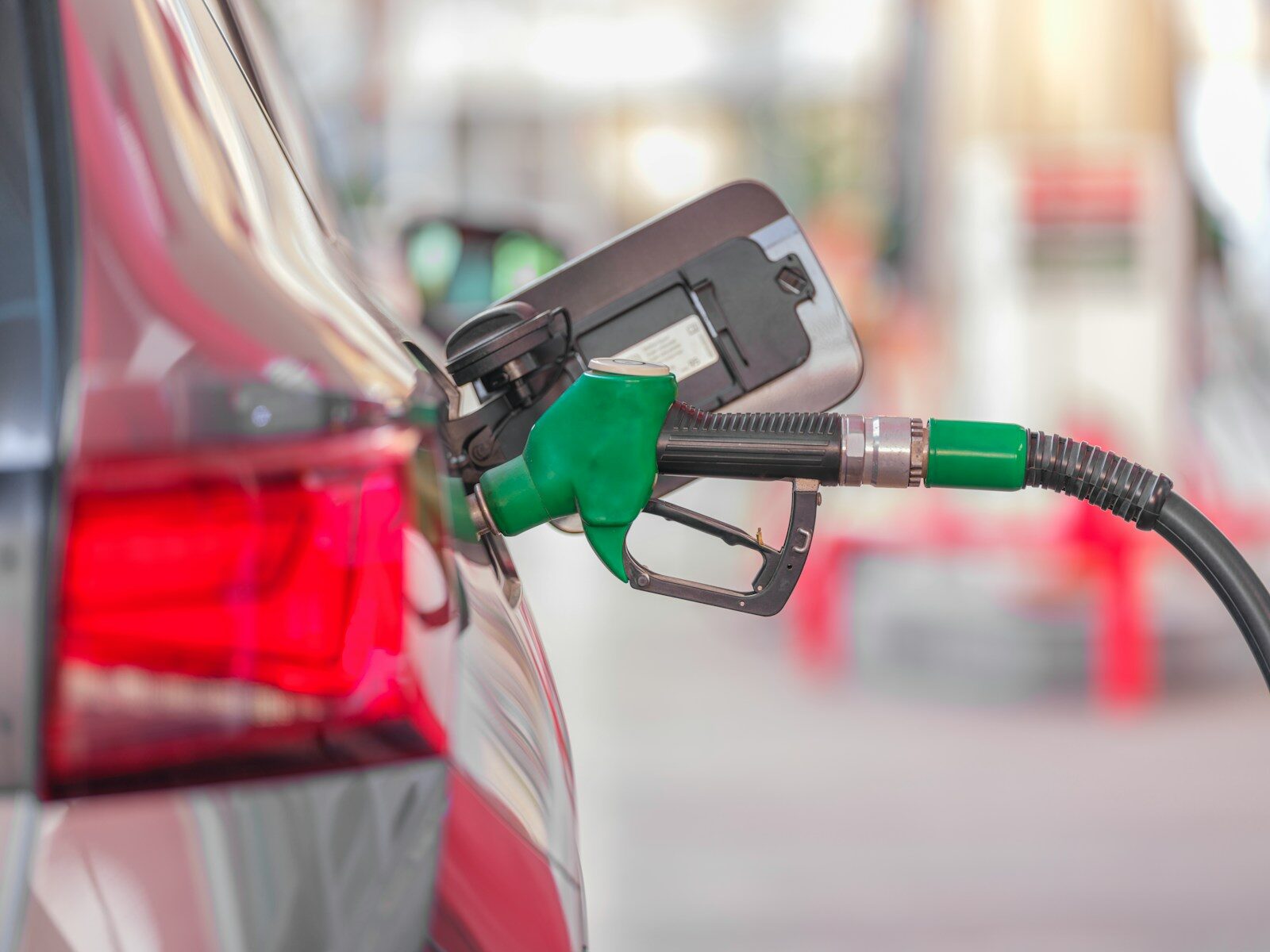
UK inflation is rising again mainly because petrol and diesel have become much more expensive, with a rise in tobacco duty and higher prices for some foods, software and computers adding to it. The Consumer Prices Index (CPI) rose by 3.6% in the 12 months to October 2026, up from 3.5% in September. That was the fourth monthly rise in a row and the highest rate for a year, according to the Office for National Statistics (ONS).
What is pushing prices up?
Fuel, by a long way. The ONS says transport, and motor fuel in particular, made the biggest contribution to the rise. The average price of petrol went up by 5.2p a litre in a single month to 174.7p, the highest since August 2022. Diesel rose by 7p to 199.5p a litre, the highest since the ONS records began in 1996. Overall, motor fuel prices were 33.2% higher than a year earlier, the biggest annual rise since July 2022.
Fuel and gas prices have been driven up by the conflict in the Middle East and the continuing war in Ukraine, both of which have disrupted global oil and gas supplies.
Tobacco. The annual rise in tobacco duty came in at the start of October, which pushed up the price of cigarettes and cigars. Alcohol and tobacco together went from 2.5% annual inflation in September to 4.5% in October.
Everyday items. Among smaller contributors, inflation picked up for tea, pasta and couscous, bread, fresh fruit, olive oil and eggs. Software prices went from 3.3% lower than a year earlier in September to 4.2% higher, and personal computers rose 7.7% year on year. The BBC also noted cat food among the items getting dearer.
Is anything getting cheaper?
Yes, a few things are rising more slowly. Restaurants and hotels made the biggest downward contribution in October. Annual price rises at restaurants and cafes eased from 4.5% to 4.2%, and hotel prices rose by just 0.8%. Food inflation as a whole was relatively low at 0.9%.
Is this just an energy problem?
Mostly, for now. “Core” inflation, which strips out energy, food, alcohol and tobacco, held steady at 2.8%. That suggests the rise is largely driven by energy rather than prices taking off across the whole economy. The Bank of England has said the same: so far there is “limited evidence” that high energy prices are feeding through into other prices and wages, but it is watching closely.
Will inflation keep rising?
Probably, at least for a while. When the Bank of England raised interest rates on 5 November, it said it expects CPI inflation to reach around 4.5% in early 2027 and about 5% by the middle of next year, before falling back. The forecast 26% rise in household energy bills from January would add to that if it is confirmed. Ofgem announces the new price cap on 25 November.
What does it mean for interest rates and mortgages?
The Bank of England raised its base rate from 3.75% to 4% at its November meeting, its first increase in more than three years. Eight of the nine members of its Monetary Policy Committee voted for the rise, and one wanted a bigger one. The Bank says it will keep setting rates to bring inflation back to its 2% target, and that policy is “not on a pre-set path”.
The next decision is on Thursday 17 December 2026. For anyone on a tracker or variable mortgage, another rise would mean higher monthly payments quite quickly. Anyone coming off a fixed deal soon should compare rates early.
What do politicians say?
The government says wars in the Middle East and Ukraine have “pushed up costs around the world”. The Conservatives argue that tax rises, including higher employment costs for businesses, have added to inflation. Both factors are part of the wider debate, but the ONS data points to fuel as the main driver this month.
When are the next inflation figures?
The ONS will publish November’s figures in mid-December, shortly before the Bank of England’s rate decision. Until then, 3.6% is the official rate, and the clearest thing to watch is what you pay at the pump.
Sources
- Office for National Statistics: Consumer price inflation, UK, October 2026
- Bank of England: Bank Rate increased to 4%, November 2026 Monetary Policy Summary and Minutes
- Bank of England: Upcoming Monetary Policy Committee dates
- The Guardian: Bank of England raises interest rates to 4%, the first increase for more than three years
- BBC News: Typical energy bills forecast to rise £443 a year as UK inflation rate up again
- The Independent: What factors helped lift inflation in October, and where did prices fall?